Ceramic Coating Maintenance Wash: Do’s and Don’ts
A good ceramic coating can make paint care feel almost unfair. Rinse, foam, light contact, and the car looks freshly detailed again. The ease spoils people, then routine slips, wash methods drift, and within a few months the coating looks dull or patchy. Most of the time, the coating hasn’t failed. The maintenance wash has.
What follows is a field-tested approach to washing coated vehicles so they hold strong for years, not months. The details matter more than the products. Temperature, water quality, contact pressure, and timing determine whether a wash preserves slickness and beading or slowly clogs the surface and mutes the effect. I will use practical examples from real jobs and a few cautionary tales collected over thousands of washes.
Why coated cars still need careful washing
A ceramic coating raises the surface energy game. The hydrophobic layer helps water sheet off, makes dirt less stubborn, and provides some chemical resistance. It does not make the paint invincible. Organic grime, traffic film, and mineral deposits will bond to the surface if they sit long enough. Aggressive shampoos, stiff mitts, and thoughtless drying will grind dust into the coating and wear the slick top layer prematurely.
On a busy commuter car that sees daily highway miles, the coating might require a maintenance wash every 7 to 14 days in warm months and every 2 to 3 weeks in winter, depending on road salt and precipitation. Enthusiast cars that live in a garage can stretch intervals further. The rhythm should follow the environment, not the calendar.
The chemistry that actually matters
Two numbers guide most wash decisions: pH and TDS. Keep your regular shampoo near neutral on the pH scale, typically 6 to 8. Short bursts of alkaline or acidic cleaners have their place for decontamination, but the weekly or biweekly wash works best with balanced chemistry.
Total dissolved solids, or TDS, tells you how much mineral content is in your rinse water. High TDS water spots fast, especially on hot panels or glass. Anything above 150 parts per million will punish you on a sunny driveway. If you live with hard water, a quick-detailer style drying aid or a deionized rinse helps prevent spot ghosts that seem to appear even while you towel.
The last ingredient is lubrication. Any shampoo you use for routine maintenance should make the mitt glide. If the mitt drags, even slightly, stop and re-foam. The coating reduces friction, so a dragging mitt usually means the panel is not wet enough, the soap is too weak, or the surface is contaminated.
Setup and sequence that protect the coating
The safest wash feels unhurried. People speed up when they fight drying or chase sun. Try to line up these conditions: cool panels, shade or overcast, ambient temperatures between 50 and 85 degrees Fahrenheit, and tools cool to the touch before they hit the paint. When the surface is hot, soaps dry where they sit, and any cleaner that is even slightly alkaline will leave a whisper of residue that dims the finish.
Pre-rinse thoroughly to remove loose grit. Foam the whole car, let it dwell for 2 to 4 minutes, not long enough to dry, then re-foam one working section at a time. Start high and work down. Roof before hood, hood before doors, doors before lower rockers. Rinse each section as you finish. Insects and tar often require a second pass with a purpose-made cleaner, but let the foam do most of the heavy lifting first.
Two-bucket methods still apply, even on a slick coating. A dedicated wash bucket and a rinse bucket, both with grit guards, separate sand and dust from your mitt as you move around the car. Replace dirty rinse water mid-wash if it starts to cloud. The whole point is to keep abrasive particles away from the paint while you move lubricated solution over the coating to break static bonds.
The quiet enemy: bonded film and traffic fallout
If a coated car loses beading and water sheets slowly, people often reach for stronger shampoo. Nine times out of ten, the problem is not the shampoo. It is bonded film, especially on highway cars. That greasy, almost invisible layer of residue, sometimes called traffic film, rides in on exhaust, tire wear, and road oils. It resists neutral soap.
Here is where a sane decon routine lives. Every four to eight weeks, depending on mileage, substitute your maintenance shampoo for a mild alkaline pre-wash or an APC diluted 1:30 to 1:60, foam it, let it dwell for a couple of minutes, and rinse. Follow with a gentle hand wash. If beading still looks lazy, use an iron remover on paint and wheels, but keep it cool and never let it dry. Iron removers can make a coated surface feel tacky for a few minutes, then the slickness comes back once you rinse thoroughly and dry.
Clay is a last resort on a coated car. Even soft clay and lube can abrade the top layer of the coating. If you must use clay to remove stubborn overspray or embedded fallout, work small areas with light pressure and expect to revive slickness afterward with a silica spray topper. Frequent clay work is a sign the wash method or parking environment needs attention.
Tools that earn their keep
I have tried dozens of mitts and towels in real use. Plush microfiber mitts with medium pile, not shag, usually give the best blend of glide and control on coatings. Synthetic wool mitts feel luxurious but hold too much water and drop it where you do not want it, which speeds drying in hot conditions. Keep a dedicated mitt for lower panels and rockers. Even on a clean street, the first six inches above the ground collect the worst grit.
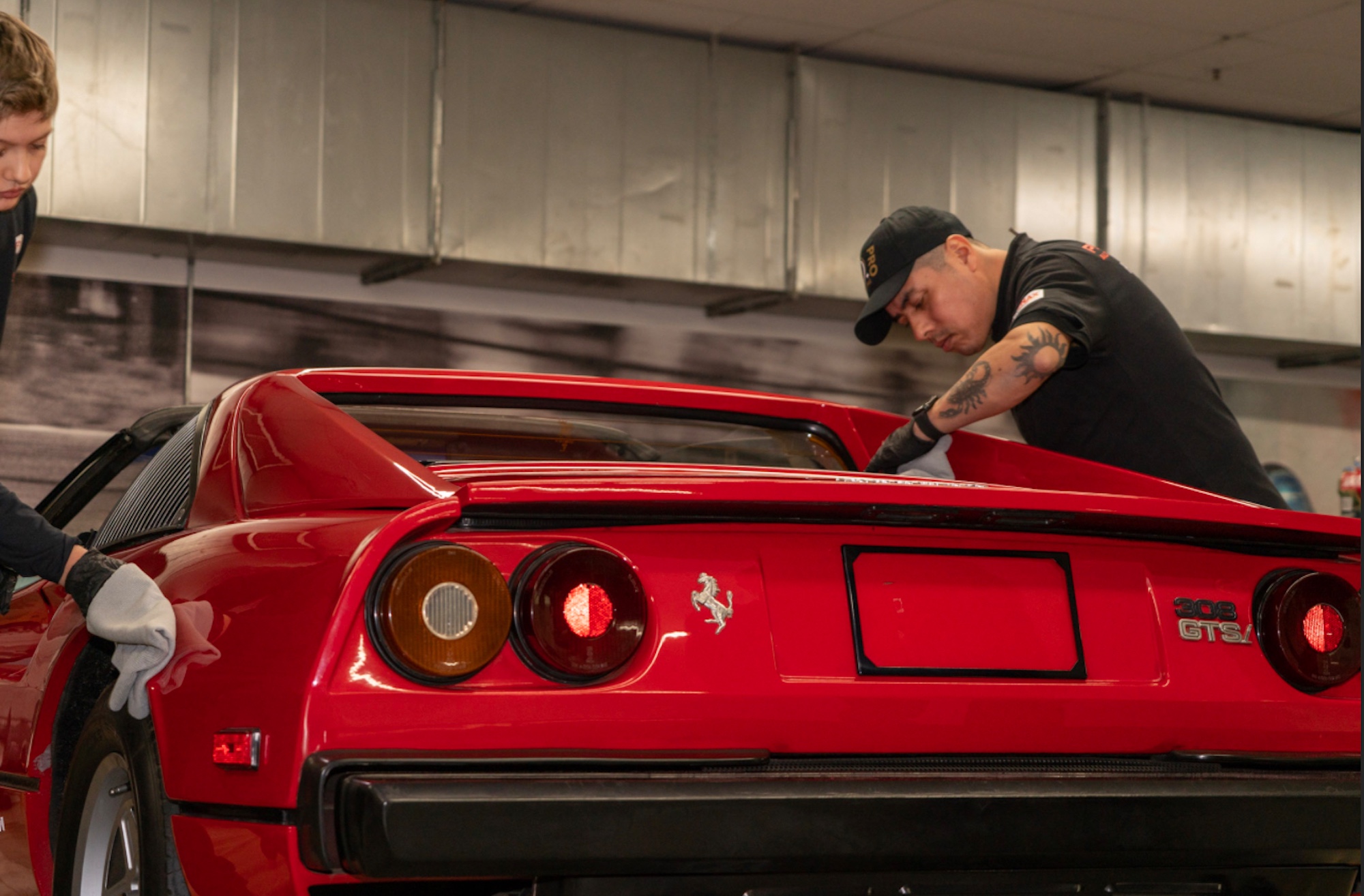
For drying, blown air from a filtered blower or a practice compressor with a water separator moves water gently away from crevices and trim, which prevents drip marks. Follow with a 500 to 700 GSM drying towel, folded into quarters and patted across flat panels. Dragging a towel invites marring. If you feel any resistance, increase lubrication with a drying aid, then lift, not slide.
Wheel brushes should be soft and flexible. On coated wheels, a microfiber noodle brush and a slim woolie for barrels keep maintenance easy. Harsh degreasers are unnecessary if the wheels are truly coated. If they are not, you can still keep things safe using a dedicated wheel shampoo and a gentle iron remover every sixth wash.
Do’s for a coating-friendly maintenance wash
- Work in shade on cool panels, and always pre-rinse thoroughly.
- Use a high-lubricity, pH-balanced shampoo and re-foam sections before contact.
- Keep a separate mitt for lower panels, and rinse mitts often.
- Blow out crevices before towel drying, and use a light mist of drying aid if needed.
- Schedule a mild alkaline or iron decon wash every four to eight weeks, based on mileage.
Don’ts that quietly wear a coating down
- Do not wash in direct sun or on hot paint, and do not let soaps or chemicals dry.
- Do not use stiff brushes, magic erasers, or kitchen towels on coated paint.
- Do not chase slickness with strong alkaline soaps every wash.
- Do not clay a coated car casually, save it for real contamination.
- Do not top with wax that leaves a heavy residue blanket unless you intend to mute beading.
How Os Pro Auto Detailing structures a maintenance wash
At Os Pro Auto Detailing, the process for a coated daily driver starts outside the bay with water temperature and TDS. Our shop water sits near 110 ppm TDS. On hard water days, we switch to a deionized final rinse to fight spotting on black roofs and glass. We stage tools by zone. One mitt for upper panels, one for mid-level panels, one for lower. Each mitt has its own rinse bucket. That might sound obsessive, but it reduces micro-marring that silently builds up over a year.
We like to foam with a neutral shampoo, let it soften grime, then address bug-heavy areas with a citrus pre-wash that is diluted to be safe for coatings. If the car shows highway use, we add an iron remover step before the hand wash. Drying depends on the paint and the weather. On soft, dark colors, we prefer air and a pat-dry only. On harder paints, we will glide a plush towel with a drying aid to speed the process. The routine changes with the car, which is the point. A ceramic coating benefits from a consistent method, but one size never fits all.

When beading dies early
Sometimes a coated car arrives at month three with water behavior that looks like month thirty. In almost every case, the owner washed it in the sun or used a strong degreaser as shampoo. It happens after a road trip when bugs turn to glue on the bumper. The fix is to reset the surface, not to pile on more topper.
The reset sequence that works: rinse, foam with a mild alkaline wash, gentle contact, rinse, iron remover, rinse slowly, and dry with a silica drying aid. You should see improved beading right away. If you do not, the coating might be contaminated with tar or overspray. At that point, a careful spot solvent like a dedicated tar remover helps, followed by another rinse and a thin topper to restore slickness.
Drying without marks, even with hard water
Water spots on coatings can etch just like on bare clear coat, and they seem to jump out on dark paint. Prevention beats removal. Spray a light mist of drying aid across a wet panel, then blow water toward the edges. Follow immediately with a pat from an ultra plush towel. On glass, which runs hotter, move quickly. If you cannot avoid sun, wash small sections top to bottom and dry each before moving on.
If you see faint spot ghosts after drying, resist the instinct to polish them. Most spots that are minutes old respond to a light finishing cleaner or a mild white vinegar solution on glass only, then a re-rinse. If you polish coated paint aggressively to chase faint spotting, you risk cutting into the coating and flattening the finish. Save abrasives for real defects.
The role of toppers and boosters, and the trap to avoid
Silica spray sealants and ceramic toppers add gloss and slickness, and they make drying easier. Used lightly and periodically, they help coatings last longer in harsh weather. Used after every wash, they can build up and mute the crisp water behavior people pay for. The trick is moderation. Once a month fits most cars. After a decon wash is perfect timing, not every Sunday.
I have seen toppers hide contamination as well as protect. Beading looks better for a week, then falls off a cliff because the foundation is dirty. Use toppers as a finish, not a fix.
Paint protection film and ceramic coatings on the same car
Many owners pair a ceramic coating with paint protection film. Film changes the maintenance picture slightly. PPF has a different topcoat chemistry, which means aggressive cleaners or petroleum-based solvents can haze the film even if they leave coated paint alone. Treat film gently. Keep soaps neutral and avoid strong panel wipes anywhere near film edges.
Coated film still benefits from the same maintenance approach. The film often gets more bug hits and tar on leading edges, and its slick topcoat can hide buildup until wash day. In the bay at Os Pro Auto Detailing, we handle film first with a citrus pre-wash, then a soft mitt and plenty of lubrication. If tar sticks to the lower bumper or rocker film, a film-safe tar remover in short, cool contact wins the day.
Where a car detailing service intersects with home washing
A high quality car detailing service should set you up to succeed at home. After a fresh ceramic coating, I like to walk owners through a simple home kit that actually gets used: neutral shampoo, two mitts, two buckets with guards, a plush drying towel, and a silica drying aid they already tried in the bay. When people have to decode a product cabinet every Sunday, they go off script. Simpler kits lead to cleaner coats.
If you prefer to avoid driveway work, a professional maintenance wash every two or three weeks keeps things predictable. For our mobile detailing clients, we bring deionized water and shade structures so the method stays the same wherever the car sits. That small control, keeping panels cool and water pure, does more to extend coating life than any miracle spray.
Seasonal shifts and snow-belt realities
Coated cars in northern winters pick up salt paste in the wheel wells and along the rockers that resists normal shampoo. Do not hammer it with a harsh degreaser every weekend. Instead, rinse thoroughly at a self-serve bay before you pull into your garage or driveway, then foam and wash as usual at home. A mild alkaline wash once a month can remove the stubborn residue without starving the coating.
Summer brings a different issue. Pollen acts like talc on a slick surface. Wiping it off dry, even with a plush towel, will mark the coating and the paint beneath. Rinse it, foam it, and let water carry it away. I have seen entire hoods micro-marred by five seconds of dry dusting after a cars and coffee meet.
How Os Pro Auto Detailing handles problem cases
We see a few recurring issues that deserve their own approach. Water spot etching on the roof after a sprinkler hit, tar specks on white paint after a highway project, or the gray haze on lower doors from construction dust. At Os Pro Auto Detailing, we isolate the problem, test the gentlest product that can move it, and protect the area again once it is clean. On white paint, tar can hide for weeks. A slow solvent wipe with minimal pressure follows by a re-wash usually clears it without touching the coating. For sprinkler spots, we use a spot treatment on cooled panels, then review parking and wash intervals with the owner so it does not happen again.
We keep paint correction separate from routine maintenance. Correction removes clear coat, which cannot be replaced. If a coated car returns with new swirls from a brush wash or dry wiping, we measure the paint, plan the least aggressive polish possible, and advise a fresh coating only if the original layer is compromised. Regular maintenance washing should never require abrasives. If it does, something in the weekly method needs to change.
Window tint and glass care alongside coatings
Glass behaves differently from paint. A ceramic coating on glass is helpful, but glass will still spot faster and show wiper trails if dirt builds under the blades. If your car has a window tinting service appointment near the time of your coating, schedule tint first, then the coating. Overspray from tint adhesive removers can settle on paint and be hard to notice for a few days.
Treat coated glass with a neutral shampoo and a clean, dedicated glass towel for final wipe. Never use household glass cleaners with ammonia near a freshly installed tint. For wiper chatter on coated windshields, clean the blade rubber with isopropyl alcohol, then apply a small amount of wiper-safe conditioner. Chatter is usually contamination, not a failed coating.
When to call for help and when to keep it simple
If you find yourself stacking cleaners to solve a single wash problem, stop and step back. Coatings are meant to simplify paint correction maintenance. One or two targeted steps should fix almost anything. A maintenance wash should feel calm. Rinse, foam, contact, rinse, dry, and perhaps a quick topper every few weeks. If every wash feels like a chase, a professional inspection can save you money and paint thickness over the long haul.
A seasoned shop will look at how you wash, the water you use, where you park, and what the car sees every week. That context determines the right cadence for decon washes, not the label on a bottle. Mobile detailing teams who visit your driveway can also adapt to your exact water and sun conditions, which often reveals the small detail that was missing.
Small habits that extend coating life for years
A coated car that gets proper washes can look freshly detailed three or four years after application, sometimes longer, depending on product and environment. The difference comes from small habits. Washing before pollen bakes, rinsing bugs off the same day you drive through a swarm, keeping towels clean and soft, and avoiding contact on dry dust. Any time you feel drag with a mitt or a towel, add lubrication or change your plan.
When you do have to choose between washing in the sun now or waiting until evening, wait. Waiting one hour can save you from chasing spots for weeks. And if all you have is hard water and a hot driveway, reduce your target. Clean wheels and lower panels, then wash the rest properly when the conditions improve. Restraint counts as maintenance too.
A grounded path forward
A ceramic coating rewards consistency. Respect the basics, not as dogma but as a set of levers you adjust for the day’s conditions. Cool panels, clean water, lubricated contact, and patient drying protect slickness and gloss more effectively than any exotic product claim. If you need a reference, think of the maintenance wash as gentle persuasion rather than force.
Shops that do this every day, like Os Pro Auto Detailing, adapt the routine to the car in front of them. That flexibility explains why two identical coatings can age so differently. If your method fits your environment and your schedule, the coating will do its job. If it doesn’t, change the method, not the paint.
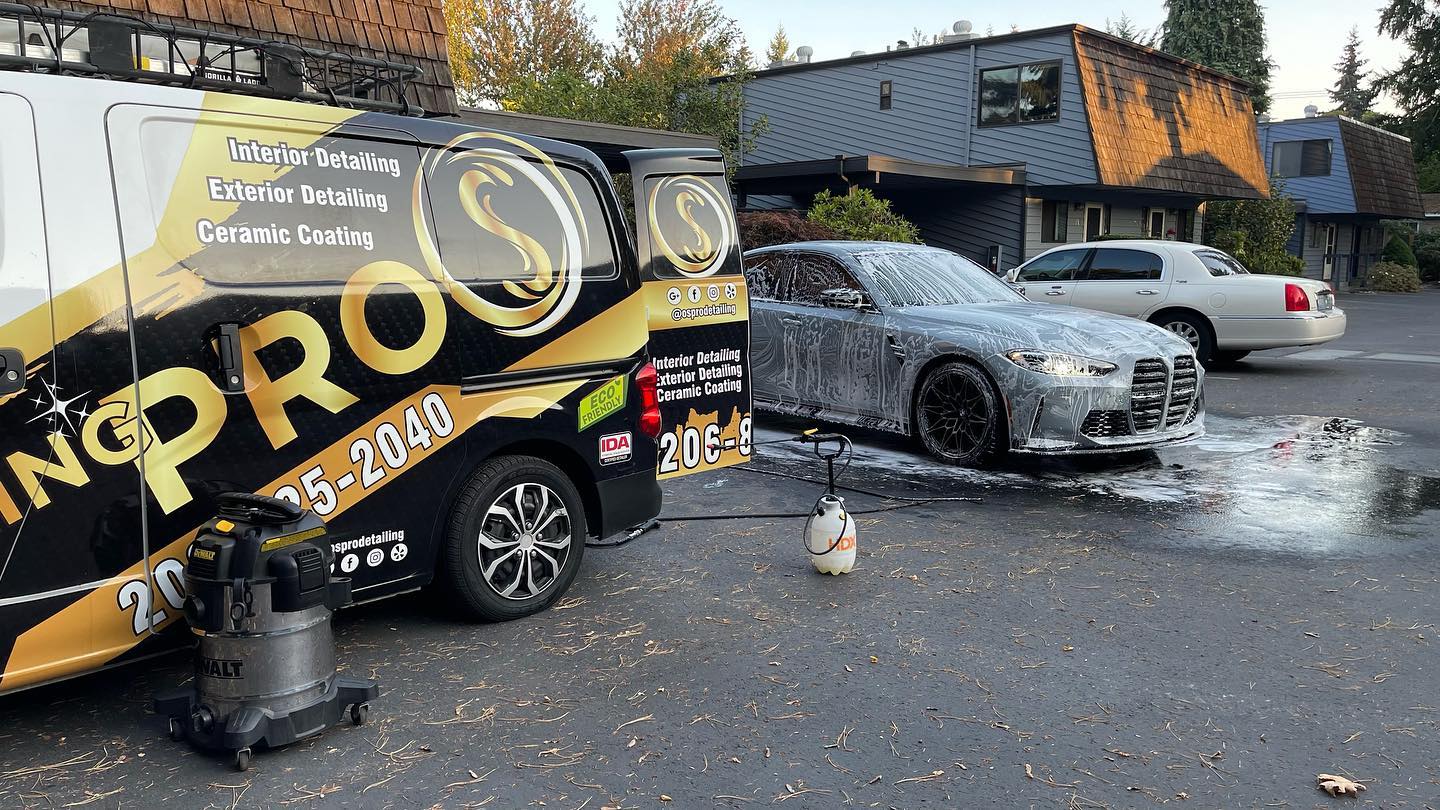
Finally, for owners pairing services, a coherent plan brings it together. A car detailing service that installs ceramic coating, manages periodic decontamination, supports mobile detailing when travel gets heavy, and understands the nuances of paint protection film and window tinting service will keep the vehicle looking right without drama. The maintenance wash is where all of it meets the ground, bucket, mitt, and towel moving with light hands, doing just enough, and no more.
Os Pro Auto Detailing
12748 NE Bel Red Rd, Bellevue, WA 98005
(206) 825-2040
FAQs
How long does ceramic coating last?
Ceramic coating typically lasts between 2 to 5 years, depending on the product used, vehicle condition, and how well the coating is maintained.
What is included in paint correction?
Paint correction involves removing surface imperfections such as swirl marks, light scratches, and oxidation through polishing. This process restores clarity and enhances the overall gloss of your vehicle’s paint.
Is ceramic coating worth it?
Yes, ceramic coating provides long-term protection against UV rays, contaminants, and environmental damage. It also makes cleaning easier and helps maintain your vehicle’s appearance over time.